

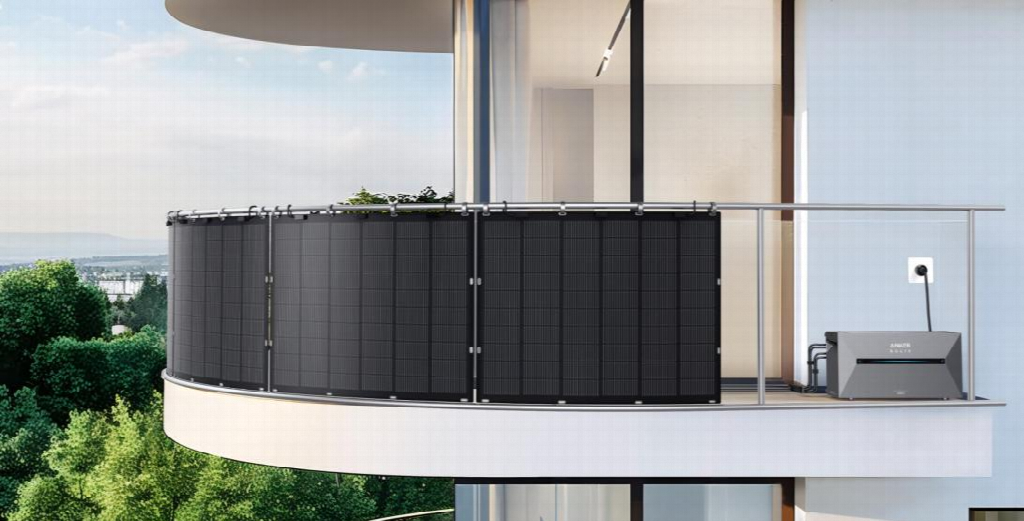
An 800-watt balcony solar system can cover a significant portion of a household’s daytime electricity needs, but the yield depends heavily on the system’s setup and usage patterns. Small adjustments to the module’s tilt angle, shading, cleaning, and the timing of energy consumption often make a bigger difference than expected. The goal is not only to generate more electricity but also to utilize it more effectively when it’s available. Optimizing system placement, minimizing avoidable losses, and storing excess energy for later use can increase daily efficiency and improve the long-term performance of your balcony solar investment.
Improve solar power generation through better system configuration
Optimize the placement, orientation, and tilt angle of the panels.
The quickest way to improve the performance of an 800-watt balcony solar system is to position the panels to receive direct sunlight for the longest period. A south-facing orientation typically delivers the highest power output in many regions, while southeast or southwest orientations can also work well if they better suit the balcony layout.
Adjust the tilt angle to capture more midday sun, rather than mounting the panels completely flat against a railing. Even slight tilt adjustments can improve daily yield. Keep the panels clear of walls, railings, and overhangs that block the low morning or afternoon sun. If your mounting system allows for seasonal adjustment, use a steeper angle in winter and a shallower one in summer for better power generation year-round.
Reduce shading and keep the solar panels clean.
Shading has a disproportionately large impact on a small balcony solar system, so removing avoidable obstacles should be a priority. A shadow cast by a railing, a flowerpot, a privacy screen, or neighboring buildings can significantly reduce production during crucial hours.
Reposition movable objects and check the shadows at different times of day, not just at midday. Dirt also reduces output because it limits the amount of sunlight reaching the cells. Dust, pollen, bird droppings, and traffic grime can accumulate on balcony installations faster than many owners realize. Clean the panels as needed with water and a soft cloth, avoiding abrasive tools. A simple cleaning routine combined with careful shading management can noticeably improve daily solar power production.
Increase your daily energy efficiency through smart usage
Coordinate your electricity consumption with the hours of solar production.
Utilizing electricity generated by your panels is one of the most effective ways to improve the overall efficiency of the system. Instead of exporting small surpluses or leaving energy unused, shift flexible loads to peak sunlight hours. Run a washing machine, charge devices, power a laptop, or use other daytime appliances between late morning and early afternoon when power generation is at its highest.
This direct self-consumption reduces grid consumption and ensures that every kilowatt-hour generated by your balcony system is used more efficiently. If your home has programmable sockets or timers, you can schedule routine tasks automatically. Even moderate load shifting makes an 800W system feel more useful because more solar energy flows directly into practical, everyday use.
Use energy storage to reduce solar power waste.
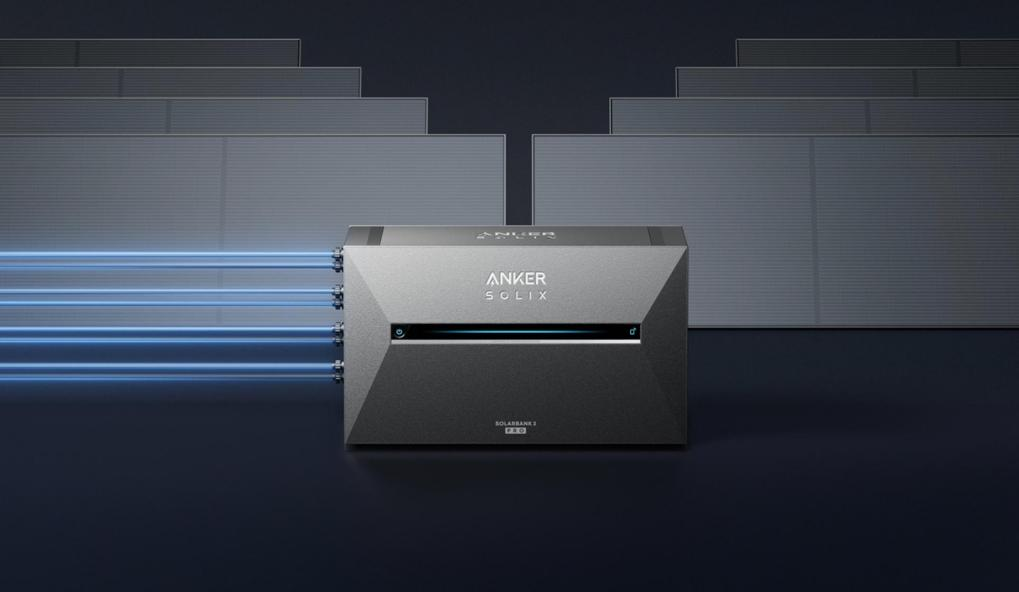
Battery storage systems help capture excess solar power generated at midday and use it later. The Anker SOLIX Solarbank 3 E2700 Pro is specifically designed for balcony power systems. It has a capacity of 2.68 kWh and can be stacked with up to five battery packs, expanding the capacity to 16 kWh.
This additional storage allows more solar energy to be used in the evening for lighting, electronics, and other household loads, instead of being wasted. Monitoring the yield of the 800-watt balcony power plant also helps users understand how much stored energy is available and how effectively the system is operating throughout the day. Storage also smooths out short-term fluctuations in production and increases self-consumption, making daily solar power generation more practical and cost-effective in the long run.
Maintaining the long-term performance of an 800W balcony power plant
Monitor solar power output and detect power problems.
Regular monitoring helps you detect performance dips before they become bigger problems. Check daily and weekly yield patterns and compare them to weather conditions so you can distinguish between normal fluctuations and a system problem. If yield suddenly drops on clear days, check the system for new shading, dirt, loose connections, or movement of the mounting bracket.
Pay attention to whether a single module appears to be underperforming, as a mismatch can negatively impact overall production. Monitoring also helps you confirm that actions such as cleaning or repositioning have actually improved results. A simple check routine makes your 800-watt balcony solar system easier to optimize and protects long-term performance by identifying avoidable losses early on.
Adjust system settings to reflect seasonal changes
Seasonal changes affect the sun’s position, day length, and household energy consumption, so your balcony solar system shouldn’t remain unchanged all year round. In winter, lower sun angles and shorter days make orientation and tilt angle more important, while summer can bring longer generation times and higher surpluses.
If your system allows for adjustment, optimize the tilt angle according to the season and review all feed-in, charging, or discharging settings related to battery usage. You should also revise your equipment operating schedules, as heating, cooling, and lighting needs change throughout the year. Trees, nearby plants, and even temporary items on the balcony can create different shading patterns depending on the season. Small seasonal adjustments can help an 800-watt system operate closer to its full potential.
Conclusion
Improving the performance of an 800-watt balcony solar system starts with practical steps: Position the panels to receive more sunlight, minimize shading, keep surfaces clean, and use the power during peak production hours. Add a battery if you want to capture more excess energy and extend solar use into the evening. Continuous monitoring and seasonal adjustments will help ensure consistent yields in the long run and identify problems before they impact results.
Taken together, these measures increase both electricity generation and self-consumption – and that’s precisely what makes a small balcony solar system truly effective. With the right setup and the right habits, an 800-watt balcony solar system can deliver more reliable daily benefits and better long-term efficiency.
